




- En
- Fr
- عربي



Tourism as a Driver of Post-War Recovery: Evaluating Socio-Economic Reconstruction in Lebanon
Tourism as a Driver of Post-War Recovery: Evaluating Socio-Economic Reconstruction in Lebanon
Introduction
Nations emerging from conflict and war usually face a long and complex path toward recovery, a path that demands coordinated action across economic, social, and institutional dimensions. In vulnerable and fragile contexts, where political uncertainty and economic instability persist, rebuilding sustainable development becomes especially challenging. Recovery goes far beyond reconstructing damaged infrastructure; it also involves restoring public confidence, attracting investment, creating employment opportunities, and repositioning the country within the international community.
In recent decades, tourism has gained increasing attention as a potential engine for recovery in a post-conflict framework. Unlike many capital-intensive industries, mobilizing existing cultural, natural, and historical assets while producing relatively rapid economic returns1. The sector can stimulate entrepreneurial activity, create employment opportunities across multiple skill levels and support small and medium-sized enterprises. Moreover, tourism contributes to destination rebranding by signaling stability and openness, helping nations rebuild their international reputation.
Lebanon offers a distinctive context in which to explore these dynamics. Historically recognized as a major cultural and commercial hub in the regional context, the country has experienced cycles of conflict and recovery that have profoundly shaped its economic trajectory. Despite these disruptions, Lebanon has repeatedly demonstrated an ability to revive its tourism sector, suggesting a degree of structural adaptability. However, this recovery has often been uneven and vulnerable to external shocks, raising important questions about the sustainability of tourism-led rebuilding.
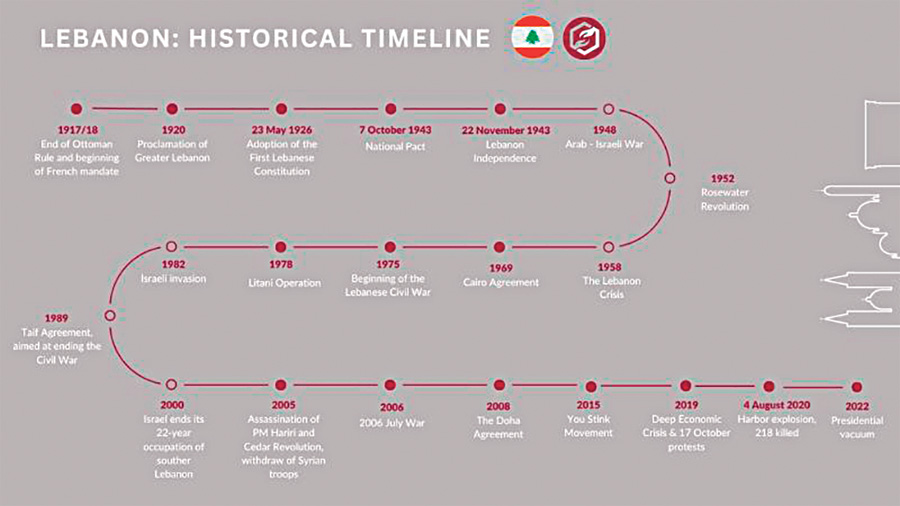
Figure 1: Timeline of key historical events in Lebanon – from Power-sharing for Peace
The Lebanese case is particularly relevant given the country’s combination of strengths and fragilities. On one hand, Lebanon benefits from a rich cultural heritage, diverse landscapes, and strong transnational ties through its diaspora. On the other hand, persistent political instability, financial crises, and infrastructural constraints continue to challenge long-term development. This duality makes Lebanon an ideal setting for assessing whether tourism can genuinely support national reconstruction or whether its contributions remain largely cyclical and temporary.
Against this backdrop, this article examines the role of tourism within the broader framework of post-war recovery. It moves beyond purely descriptive narratives by assessing tourism’s tangible economic contributions as well as its wider social and symbolic effects. Special emphasis is placed on tourism’s potential to strengthen economic resilience, support social stabilization, and improve international perception.
The central argument advanced in this study is that tourism can play a significant role in post-war rebuilding, but it should not be viewed as a standalone solution. Its success depends on supportive governance structures, strategic investment, and policies that promote diversification and resilience. Without these conditions, reliance on tourism may expose fragile economies to renewed volatility.
By situating Lebanon within the broader debate on tourism-led recovery, this article aims to provide insights that extend beyond a single national context. Understanding how tourism interacts with post-conflict reconstruction can help policymakers design more integrated recovery strategies while contributing to academic discussions on resilience, development, and economic transformation in fragile states.
This article aims to examine the extent to which tourism can function as a strategic catalyst for post-war recovery, with a specific focus on Lebanon. Post-conflict environments require multidimensional rebuilding processes that go beyond physical reconstruction and include economic revitalization, social stabilization, and the restoration of international confidence. Within this context, tourism is increasingly perceived as a sector capable of accelerating recovery due to its capacity to generate foreign exchange, stimulate employment, attract investment, and place nations within the global economy.
Lebanon presents a particularly persuasive example: despite repetitive political instability, economic crises, and periods of armed conflict, the country has historically maintained a strong tourism identity grounded in cultural heritage, geographic appeal, and extensive diaspora connections. This resilience raises an important analytical question: can tourism serve not merely as an economic activity but as a structural mechanism supporting national reconstruction?
This article pursues three primary objectives. First, it seeks to evaluate the correlation between tourism development and key indicators of post-war recovery, including economic growth, employment generation, and investor confidence. Second, it analyzes tourism’s role in supporting social normalization and reshaping Lebanon’s international image following episodes of instability. Third, it identifies the structural constraints (i.e. political, institutional, and economic) that may limit tourism’s long-term contribution to sustainable recovery.
By positioning tourism within the broader framework of post-conflict reconstruction, this study aims to contribute to the growing body of literature that views tourism not only as a driver of growth but also as a strategic policy tool capable of enhancing resilience in vulnerable environments. Ultimately, the article argues that while tourism holds significant transformative potential, its effectiveness depends largely on governance capacity, strategic planning, and the ability to mitigate structural vulnerabilities.
I. Post-War Recovery and Reconstruction in Lebanon
Post-war recovery is widely conceptualized in development literature as a multidimensional process requiring simultaneous progress in economic stabilization, infrastructure rebuilding, institutional reform, and social reintegration2. Lebanon represents a particularly complex case within post-conflict studies, as recovery has unfolded against the backdrop of overlapping crises, including prolonged political instability, financial collapse, large-scale displacement, and recurrent armed conflicts. These repeated shocks have significantly constrained the country’s reconstruction capacity while deepening structural vulnerabilities across key sectors.
Recent evaluations illustrate the intensity of Lebanon’s reconstruction challenge. According to the World Bank, recovery and reconstruction needs following the latest conflict are estimated at approximately US $11 billion, based on a Rapid Damage and Needs Assessment covering ten major sectors. The total economic cost of the conflict reached about US $14 billion, including US $6.8 billion in physical damage and US $7.2 billion in economic losses stemming from reduced productivity and forgone revenues. Such figures highlight the structural depth of the crisis and illustrate the scale at which reconstruction must operate.
From a macroeconomic perspective, the conflict reversed already fragile growth trajectories. Lebanon’s real GDP contracted by 7.1 percent in 2024, compared with a projected growth of 0.9 percent in the absence of war, while the cumulative GDP decline since 2019 approached 40 percent3. These trends reflect a classic post-conflict economic pattern in which destruction of productive assets combines with investor uncertainty to suppress economic activity. The housing sector alone incurred damages estimated at US $4.6 billion, while commerce, industry, and tourism collectively recorded losses exceeding US $3.4 billion.
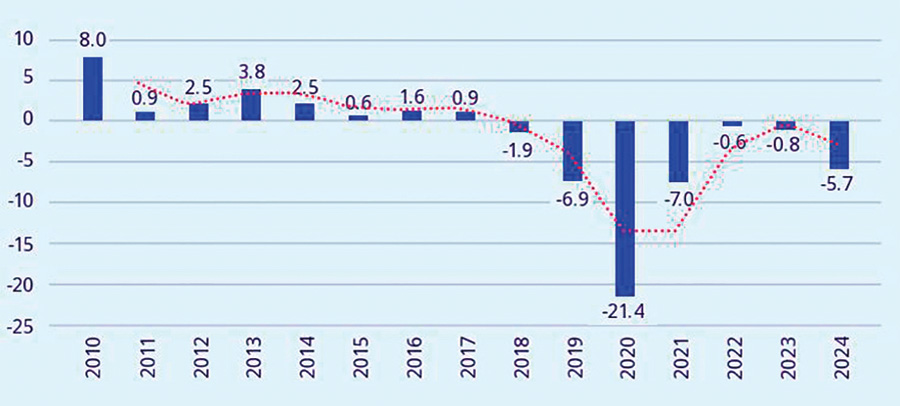
Figure 2: Real GDP growth, Lebanon, 2010–2024 (%); Source World Bank, Lebanon Economic Monitor, Fall 2024.
The geography of destruction further complicates reconstruction planning. Regions such as Nabatiyeh and the South governorates experienced the heaviest impacts, followed by Mount Lebanon. Concentrated regional damage often produces spatial inequalities in recovery, requiring targeted policies rather than uniform national strategies, a principle frequently emphasized in post-war development frameworks. Financing reconstruction presents another structural challenge. Estimates indicate that US $3–5 billion must be publicly financed, particularly for infrastructure systems including energy, transport, water, and municipal services, while US $6–8 billion will likely depend on private investment, especially in housing and productive sectors. This hybrid financing model reflects the broader shift in reconstruction economics toward public-private coordination, yet it also exposes Lebanon to risks associated with weak investor confidence and governance constraints.4
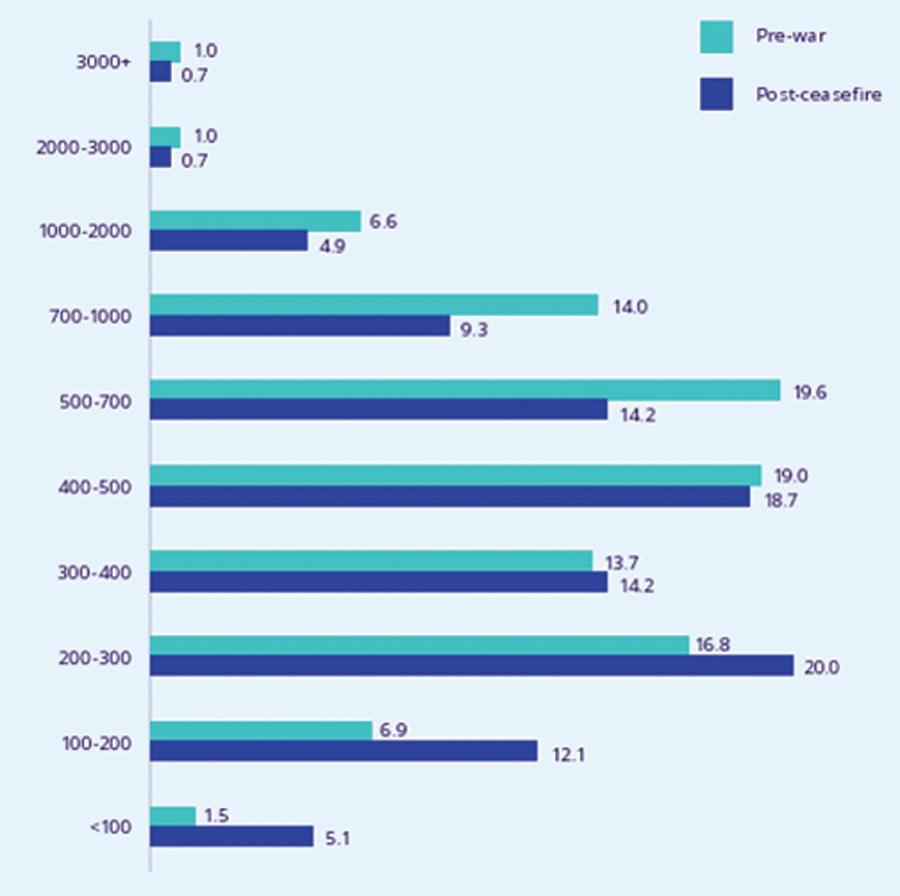
Beyond macroeconomic indicators, the labor market reveals the social dimension of post-war disruption. An assessment by the International Labour Organization reports widespread job losses, income reductions, and business closures following the conflict. Nearly 25 percent of workers were unemployed during the fighting, and even after the ceasefire, approximately 14 percent remained affected, with women, youth, migrants, and informal workers disproportionately vulnerable. These findings align with post-conflict labor theories suggesting that employment recovery is essential for preventing long-term socioeconomic fragility.
Lebanon’s reconstruction must also be understood within the context of institutional strain. Years after the onset of the financial meltdown, the country continues to face a collapsed banking sector, deteriorating infrastructure, and rising poverty, prompting calls from the International Monetary Fund for deeper structural reforms, including fiscal restructuring and banking-sector rehabilitation. Without such reforms, reconstruction efforts risk reinforcing pre-existing inefficiencies rather than generating sustainable growth. Academic research further illustrates how fragile governance environments reshape everyday security and infrastructure provision. McClearn, Jensen, and Talhouk argue that Lebanon’s context is characterized by “multiple simultaneously failing infrastructures,” requiring citizens and organizations to engage in what they describe as “security patchworking” to maintain access to electricity, financial resources, and identity systems. These adaptive practices demonstrate resilience but may also create new forms of insecurity, complicating long-term reconstruction planning.
Similarly, sociological analyses emphasize that post-conflict Lebanon remains shaped by sectarian divides, governance failures, and economic collapse, conditions that heighten insecurity for marginalized populations and influence broader recovery trajectories5. Such findings reinforce the argument that reconstruction is not solely a technical exercise but also a political and social process requiring inclusive institutional reform.
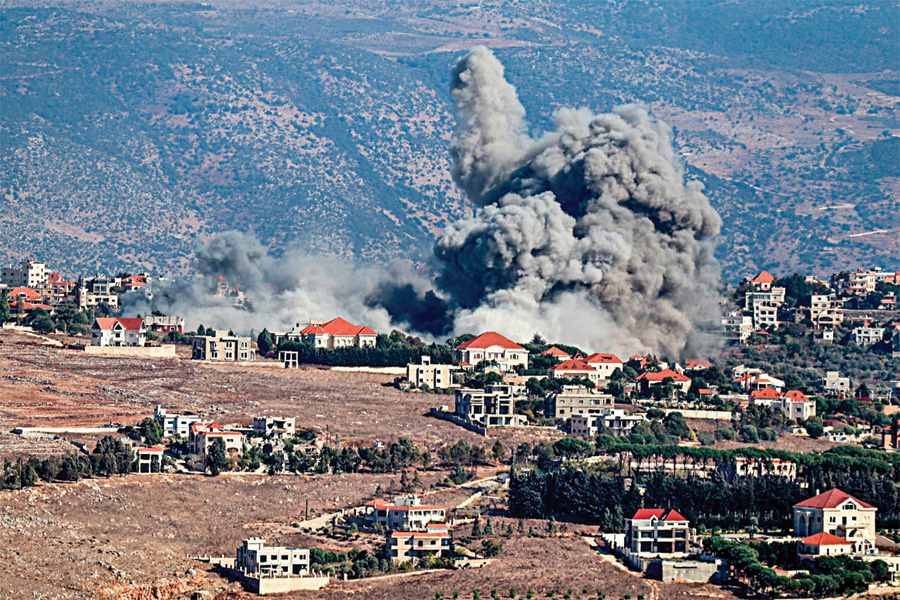
The labor-market shock must also be considered alongside displacement and livelihood disruption. Conflict has significantly affected business operations and household income, creating “new challenges for recovery” and underscoring the need for coordinated policy responses. In post-war settings, prolonged unemployment often translates into human capital erosion, migration pressures, and increased dependence on humanitarian assistance — all of which can delay economic normalization.
Infrastructure restoration remains particularly urgent. Reliable infrastructure is widely recognized in development literature as a prerequisite for private-sector revival, as it lowers transaction costs and signals institutional stability. The Rapid Damage and Needs Assessment was conducted using the globally recognized Post-Disaster Needs Assessment methodology developed jointly by the European Union, the United Nations, and the World Bank. This methodological framework integrates ground surveys, satellite imagery, and social data to inform recovery planning, reflecting the increasing reliance on evidence-based reconstruction strategies.
Academic research also highlights the importance of heritage restoration within broader rebuilding processes. Cultural infrastructure in Lebanon has suffered from civil war destruction, the Beirut port explosion, and prolonged economic downturns, preventing restoration of many heritage sites and limiting their developmental potential6. The degradation of cultural assets carries economic implications but also affects national identity and collective memory. The Lebanese experience therefore illustrates a central paradox of post-war recovery: while reconstruction offers opportunities for structural reform, it also exposes institutional weaknesses that may have contributed to vulnerability in the first place. Political instability and unresolved conflicts, for example, continue to deter investment and complicate long-term planning. Achieving sustainable recovery consequently requires more than financial inflows; it demands governance reforms capable of restoring credibility.
Foreign aid and institutional quality are frequently identified as decisive variables in post-disaster and post-conflict entrepreneurship. Cross-country research demonstrates that while crises typically reduce entrepreneurial activity, foreign aid can offset these effects7. This insight is particularly relevant for Lebanon, where reconstruction financing must be matched by institutional capacity to ensure effective allocation.
The cumulative nature of Lebanon’s crises further differentiates it from typical post-conflict cases. Rather than recovering from a single shock, the country is navigating what analysts describe as a “multi-pronged economic downturn,” in which war compounds existing structural weaknesses and undermines prospects for growth. Such compounded fragility increases the risk of a protracted recovery trajectory. Employment dynamics illustrate this risk clearly. Regions exposed to regular bombing experienced significantly higher unemployment and economic inactivity levels. Spatial disparities in labor-market recovery often translate into uneven development outcomes, potentially exacerbating regional inequalities and social tensions.
Moreover, reconstruction must address both immediate humanitarian needs and long-term development objectives. While rebuilding housing and infrastructure is essential, recovery strategies must also prioritize productivity, investment attraction, and institutional modernization to prevent cyclical crises.
Another defining characteristic of Lebanon’s reconstruction landscape is the strong interdependence between public and private actors. With private financing expected to cover the majority of rebuilding costs, investor confidence becomes a critical determinant of recovery speed. Yet confidence is closely tied to political stability, regulatory transparency, and macroeconomic reform, all of which remain uncertain. The post-war environment also underscores the importance of coordinated responses. The labor-market assessment explicitly calls for “informed, inclusive and coordinated” policy measures to support recovery. Fragmented governance, by contrast, risks duplicating efforts and diluting impact.
Lebanon’s reconstruction trajectory therefore cannot be evaluated solely through financial metrics. Social cohesion, institutional legitimacy, and infrastructure reliability are equally critical components of recovery. Academic perspectives increasingly emphasize that post-conflict resilience emerges not simply from rebuilding what was destroyed but from transforming underlying systems to reduce vulnerability. In this respect, Lebanon stands at a pivotal juncture. The scale of damage provides an opportunity to modernize infrastructure, diversify the economy, and strengthen governance frameworks. Yet failure to implement reforms could entrench structural fragility and prolong dependence on external assistance.
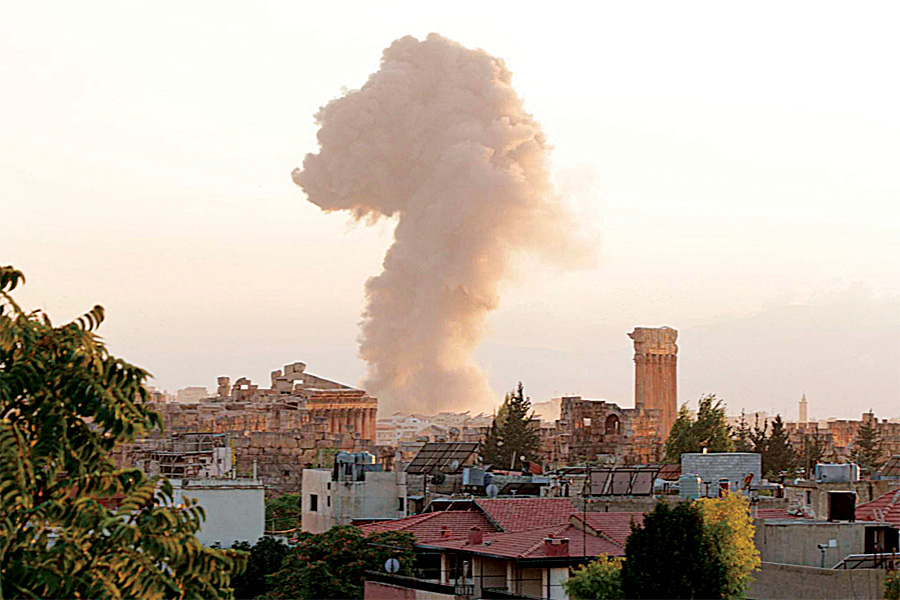
Ultimately, post-war recovery in Lebanon should be understood as both a challenge and a strategic turning point. The combination of large financing needs, labor-market disruption, infrastructure damage, and institutional strain illustrates the complexity of rebuilding a crisis-ridden economy. At the same time, the adoption of evidence-based assessment methodologies and the growing recognition of inclusive recovery strategies suggest pathways toward more resilient reconstruction. Whether Lebanon can translate reconstruction into sustainable development will depend largely on its ability to align financial resources with institutional reform, restore investor confidence, and rebuild the socioeconomic foundations necessary for long-term stability.
II. Tourism as a Catalyst for Economic and Social Recovery
Tourism has long been conceptualized as a strategic tool of recovery in post-conflict and crisis-affected economies8. Beyond its immediate contribution to revenue generation, the sector is associated with employment creation, infrastructure redevelopment, social cohesion, and international image rebuilding9. In fragile states such as Lebanon, tourism is frequently positioned as both a symbol and mechanism of national resilience. Empirical research consistently demonstrates that tourism plays a crucial role in economic development. Studies employing cross-sectional time-series data indicate that the tourism sector contributes significantly to economic growth in countries including Lebanon, even amid regional instability and security challenges10.
More broadly, meta-analytical evidence suggests a strong positive relationship between tourism and employment. Across dozens of studies, tourism has been shown to generate jobs, stimulate consumption, and expand labor-market opportunities, reinforcing its relevance in recovery contexts11.

In post-war environments, tourism often functions as an early indicator of reconstruction progress. Scholars argue that during redevelopment phases, tourism growth helps “mend the country's war-torn image,” signaling normalization to investors and international partners12. Lebanon offers a historical illustration of this pattern. Prior to conflict, the country welcomed approximately 1.5 million visitors annually and was internationally recognized as the “Switzerland of the Middle East”. However, war halted tourism activity, destroyed infrastructure, and weakened economic output13. Such disruptions underscore tourism’s dual nature: it is highly vulnerable to instability but equally capable of rapid rebound when conditions improve14.
Research focusing specifically on Lebanon highlights cultural and heritage tourism as a viable pathway for economic revival15. Despite repeated incidents, the sector has demonstrated resilience and has been proposed as a solution to broader economic decline. Theoretical literature on political economy further supports this perspective, noting that tourism industries often recover gradually alongside broader social, political, and economic transitions in post-war contexts16. Importantly, tourism-led recovery is not limited to macroeconomic indicators. It also encourages private-sector engagement and public–private partnerships, both of which are essential in rebuilding fragile economies. The benefits of tourism extend beyond financial metrics. Because tourism is labor-intensive and geographically dispersed, it tends to distribute income across multiple sectors including hospitality, transport, and cultural industries, thereby supporting community livelihoods17.
Academic literature emphasizes that tourism can reinforce social stability by creating shared economic interests among diverse groups. Employment opportunities reduce economic marginalization, which is frequently linked to post-conflict tensions18. Moreover, tourism facilitates cultural exchange and diaspora engagement, strengthening national identity19. In Lebanon, the government has historically relied on promotional campaigns and discounted travel initiatives to attract visitors and restore confidence in the destination. These measures highlight tourism’s symbolic function: it communicates that a country is safe, open, and capable of hosting international visitors20.
Destination image is critical in post-war recovery: security concerns, damaged infrastructure, and negative media coverage can deter visitors for years after a conflict ends21.
Rebuilding trust requires sustained diplomatic and marketing efforts. More recently, Lebanese authorities have sought to re-attract Gulf tourists as a means of jumpstarting the economy22. With tourism previously contributing nearly 20 percent of GDP, policymakers view the sector as a bridge to broader recovery 23.
This aligns with global recovery trends. The Middle East region has exceeded pre-pandemic tourism totals, demonstrating the sector’s resilience when governments and businesses coordinate effectively24. Tourism’s impact is amplified through multiplier effects. Increased arrivals stimulate demand for local goods and services, encouraging entrepreneurship and innovation25.
Research on tourism entrepreneurship shows that growth pressures firms to diversify products, adopt new technologies, and improve business processes—all of which contribute to long-term competitiveness. Additionally, subsector analysis suggests that travel services and recreational industries can significantly increase receipts per arrival, highlighting the importance of strategic workforce allocation within the tourism ecosystem26. Such findings imply that tourism-led recovery is most effective when accompanied by structural reforms and sectoral planning. Lebanon’s tourism trajectory demonstrates both fragility and adaptability. While political instability and economic crises have drastically reduced visitor numbers, the industry continues to be perceived as a cornerstone of recovery. Hotels that once catered to Gulf visitors now face declining occupancy and revenue, illustrating the sector’s exposure to geopolitical shocks. Simultaneously, political changes have periodically revived optimism among hospitality operators preparing for renewed demand. The coexistence of vulnerability and resilience reinforces a key scholarly insight: tourism alone cannot stabilize an economy but can accelerate recovery when supported by governance reforms and security improvements.
III. Lebanon’s Tourism Sector: Opportunities and Structural Challenges
Lebanon’s tourism sector occupies a paradoxical position within the national economy: it represents both a historically significant engine of growth and one of the most structurally vulnerable components of the country’s service-based model. Since the end of the civil war in 1990, tourism has been embedded within Lebanon’s reconstruction strategy, contributing to foreign-exchange earnings, employment generation, and urban revitalization. However, the post-war reconstruction model—characterized by financialization, real estate expansion, and service-sector concentration—also generated structural fragilities that left tourism highly exposed to political and macroeconomic shocks.
During the post-war recovery period, tourism formed part of a broader strategy aimed at re-establishing Beirut as a regional hub for finance, culture, and leisure. This strategy relied heavily on external capital inflows and diaspora engagement, reinforcing a service-dominated growth pattern27. Yet scholars have noted that the reconstruction framework prioritized short-term capital accumulation over productive diversification, contributing to long-term economic imbalances28. As a result, tourism expanded within an economy already vulnerable to external volatility.
Prior to the compounded crises that intensified after 2019, tourism contributed a significant share to Lebanon’s GDP and employment. According to the World Travel & Tourism Council, travel and tourism accounted for more than 19 percent of GDP (direct and indirect contribution) and supported hundreds of thousands of jobs29. These figures underscored tourism’s macroeconomic importance but also highlighted the risks of sectoral concentration within a fragile political economy.
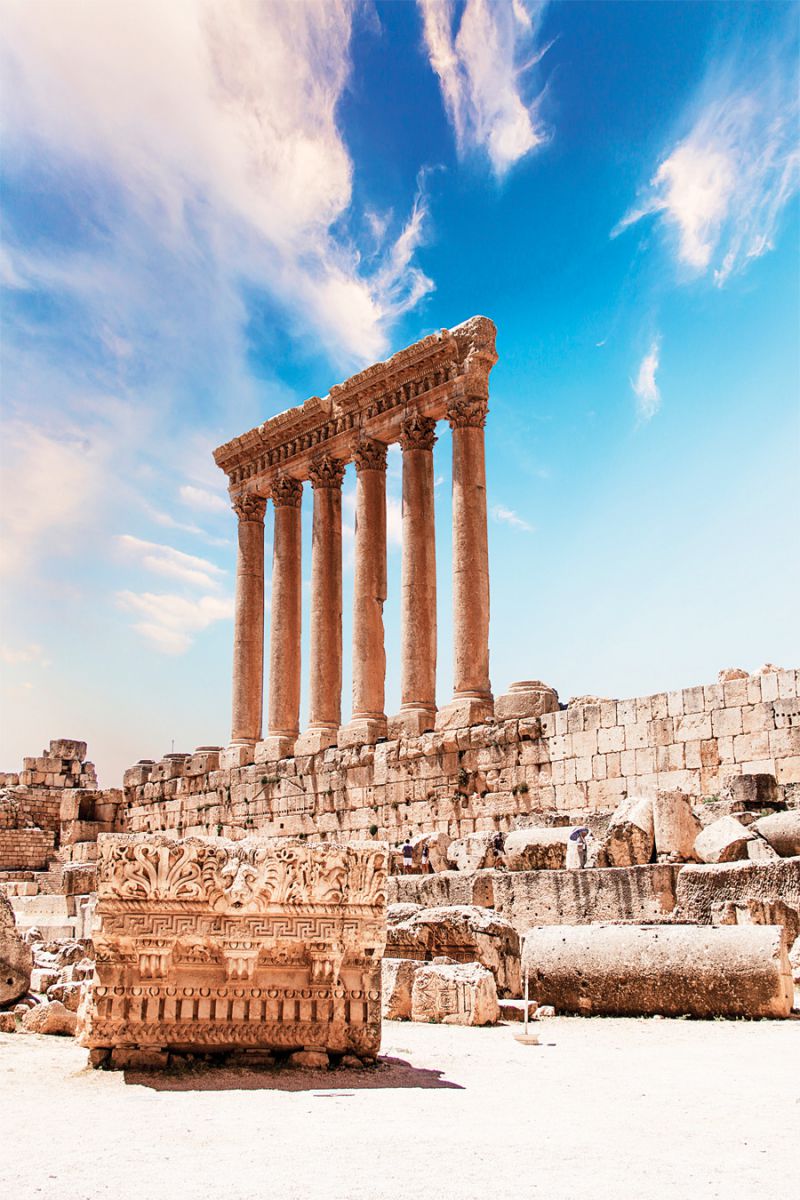
Lebanon’s diversified tourism offering constitutes one of its enduring comparative advantages. The country’s compact geography allows the coexistence of coastal tourism, mountain resorts, religious heritage, and urban cultural experiences within a limited territorial space. Archaeological sites such as Byblos, Baalbek, and Tyre integrate Lebanon into global heritage circuits, reinforcing its historical depth and symbolic capital. Yet urban reconstruction processes—particularly in Beirut—have revealed tensions between heritage preservation and speculative redevelopment30. These tensions illustrate the complex relationship between tourism development and post-war spatial governance.
Diaspora tourism represents another structural pillar of resilience. With millions of Lebanese residing abroad, diaspora flows have historically mitigated downturns during periods of regional instability. Remittance-driven consumption has long supported Lebanon’s service economy, including hospitality and retail sectors. However, the sustainability of this model depends on macroeconomic confidence and financial-system credibility—both severely undermined by the post-2019 banking collapse.
Regional demand, particularly from Gulf Cooperation Council (GCC) countries, has traditionally generated high per-capita tourism receipts. Nevertheless, political tensions and diplomatic ruptures have periodically disrupted these flows, illustrating tourism’s sensitivity to geopolitical conditions. The World Bank notes that the normalization of economic crisis and institutional paralysis continues to erode investor confidence and suppress the recovery of external demand.
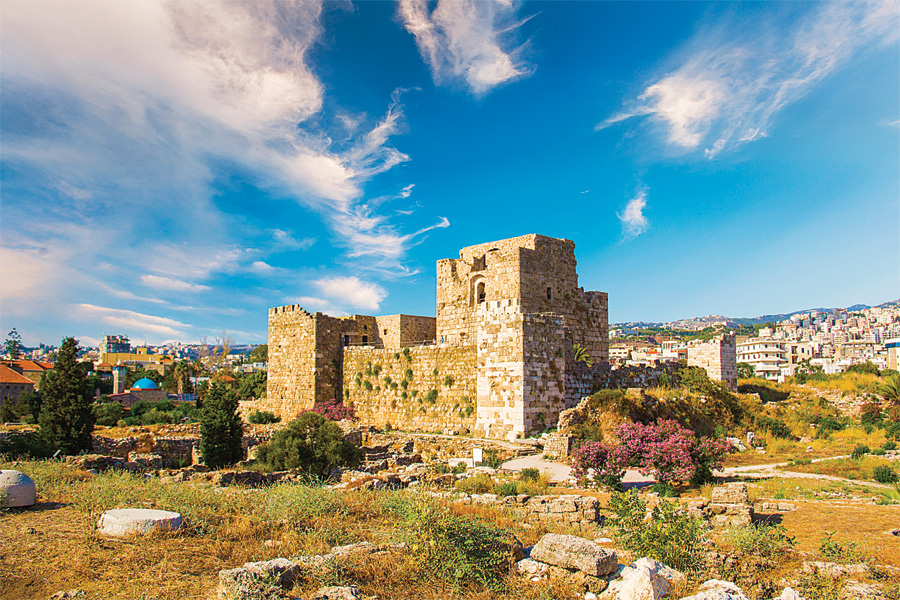
The financial collapse that began in 2019 fundamentally altered the sector’s operating environment. Currency depreciation, banking restrictions, and capital controls produced severe liquidity constraints, reducing both domestic purchasing power and foreign investor engagement. Lebanon’s economic contraction has been described by the World Bank (2023) as one of the most severe globally since the mid-nineteenth century. IMF assessments further emphasize that macroeconomic instability, fiscal imbalances, and delayed structural reforms continue to inhibit recovery across productive sectors, including tourism31.
Governance failures compound these macroeconomic constraints. Analyses of Lebanon’s political economy highlight entrenched elite capture, weak regulatory enforcement, and fragmented institutional coordination (Chaaban, 201632; Atallah, 202033). Such governance deficits elevate risk premiums and discourage long-term tourism investment. Post-war reconstruction patterns, particularly those associated with urban redevelopment and public–private partnerships, have often privileged politically connected actors, reinforcing structural inequality34.
Infrastructure deterioration further constrains tourism competitiveness. Reliable electricity supply, transport systems, and water networks are foundational to hospitality operations. The Beirut Rapid Damage and Needs Assessment (World Bank, 2020) documented extensive infrastructure losses following the port explosion, exacerbating already fragile public services. ESCWA similarly reports that economic contraction and service disruption have significantly increased operational costs for small and medium enterprises, including those in tourism35.
Labor-market dynamics also shape recovery prospects. Tourism is labor-intensive and traditionally provides employment opportunities for youth and women. However, the post-2019 crisis has accelerated outward migration of skilled professionals. The International Labour Organization identifies large-scale emigration and declining real wages as central features of Lebanon’s labor-market deterioration. Human-capital depletion threatens service quality and long-term competitiveness within the tourism industry36.
Environmental sustainability represents an additional structural dimension. Reconstruction and urban expansion have historically placed pressure on coastal zones and natural resources. Integrating sustainability principles into tourism recovery planning is therefore essential to avoid repeating past development imbalances. While sustainability discourse has gained prominence globally, Lebanon’s institutional capacity to enforce environmental regulation remains limited37.
Despite these systemic constraints, Lebanon’s tourism sector has repeatedly demonstrated adaptive capacity. Periodic rebounds following episodes of conflict such as after 2006 reflect entrepreneurial resilience within the private sector38. Resilience, however, should not be conflated with structural stability. As Baumann argues, Lebanon’s reconstruction model has historically generated cyclical recoveries without addressing underlying political-economic distortions.
The central policy implication emerging from this analysis is that tourism can contribute meaningfully to economic stabilization and foreign-exchange generation, but only within a broader framework of institutional reform. IM Fand World Bank assessments consistently emphasize the necessity of fiscal restructuring, banking-sector reform, and governance transparency to restore investor confidence39. Without such reforms, tourism risks remaining trapped within recurrent cycles of expansion and contraction.
Ultimately, Lebanon’s tourism sector embodies both vulnerability and potential. Its cultural heritage, diaspora networks, and regional accessibility provide structural strengths capable of supporting recovery. Yet translating these assets into sustained growth requires addressing the political and macroeconomic foundations of fragility identified by Lebanese scholars and international institutions alike. Tourism may serve as a bridge toward stabilization—but it cannot substitute for comprehensive national reform.
IV. Toward a Strategic Framework for Post-War Reconstruction
Post-crisis reconstruction in Lebanon cannot be understood as a linear or purely technical undertaking. Rather, it constitutes a multidimensional transformation involving economic restructuring, institutional reform, governance recalibration, and social renegotiation. Lebanon’s present crisis—combining financial collapse, currency depreciation, sovereign default, political paralysis, and infrastructure deterioration—reflects not a single shock but the cumulative erosion of a post-war economic model established in the 1990s40. Reconstruction must therefore move beyond short-term stabilization and address the structural distortions embedded within that model.
A strategic recovery framework must begin with macroeconomic stabilization. The World Bank characterizes Lebanon’s economic contraction since 2019 as one of the most severe globally in modern history. Hyper-depreciation of the Lebanese pound, depletion of foreign reserves, and the effective collapse of the banking sector have generated a prolonged liquidity crisis. IMF assessments emphasize that without comprehensive banking-sector restructuring, fiscal consolidation, and transparent debt management, sustainable recovery remains unattainable. Macroeconomic predictability is a prerequisite for restoring investor confidence and reactivating productive sectors, including tourism, trade, and industry.
Lebanon’s reconstruction challenge is inseparable from institutional credibility. Post-war governance structures have long been marked by elite capture, regulatory fragmentation, and clientelist allocation of public resources (Chaaban, 201641; Baumann 201642) argues that the reconstruction strategy following the civil war entrenched a model of political–economic interdependence in which financial flows and urban redevelopment became intertwined with sectarian power-sharing arrangements. While this framework facilitated periods of growth, it simultaneously institutionalized structural vulnerabilities.
Rebuilding institutional trust is therefore as essential as rebuilding infrastructure. Public perceptions of corruption and administrative inefficiency have eroded confidence in state capacity. LCPS policy analyses underline that governance reform—including regulatory transparency, independent oversight mechanisms, and administrative digitalization—constitutes a central pillar of economic stabilization43. Without institutional reform, external assistance risks reinforcing pre-existing inefficiencies rather than enabling transformation.
Infrastructure modernization represents another critical dimension of recovery. The Beirut Rapid Damage and Needs Assessment documented extensive damage to transport networks, port facilities, housing stock, and public utilities following the August 2020 explosion44. However, infrastructure deterioration predates the blast, particularly in the electricity sector, where chronic supply shortages have increased operational costs across the economy. ESCWA reports that infrastructure constraints have significantly reduced productivity and heightened business vulnerability45. For a service-oriented economy, reliable connectivity and energy provision are foundational to competitiveness.
Yet reconstruction strategies must avoid prioritizing visible physical rebuilding while neglecting deeper governance reform. Lebanese reconstruction history demonstrates the risks of imbalance. Makdisi highlights how post-war urban redevelopment in Beirut privileged capital-intensive projects while failing to address broader socio-economic disparities. Sustainable recovery depends not only on physical assets but also on rebuilding trust between citizens and state institutions46.
Social cohesion is particularly salient in Lebanon’s fragmented political landscape. Economic collapse has intensified poverty, inequality, and regional disparities. The World Bank estimates that poverty rates have risen dramatically since 2019, reflecting declining real incomes and unemployment expansion. Inclusive recovery policies—targeted social protection programs, regional investment strategies, and equitable service delivery—are essential to prevent further socio-political polarization.
Human-capital preservation must also be prioritized. Lebanon has historically relied on a highly educated workforce, yet the ongoing crisis has accelerated outward migration. The International Labor Organization documents substantial labor-market contraction and rising emigration of skilled professionals. Brain drain undermines long-term productivity and weakens sectors such as healthcare, education, and tourism47. Recovery policy must therefore include incentives to retain and attract skilled workers, stabilizing professional opportunities within the domestic economy.
Private-sector mobilization remains indispensable given fiscal constraints. Lebanon’s public debt burden and revenue collapse limit state-led reconstruction capacity. Public–private partnerships (PPPs) may offer financing mechanisms for infrastructure rehabilitation, provided regulatory safeguards ensure transparency and equitable risk-sharing. However, Baumann cautions that past reconstruction efforts demonstrated how poorly regulated private participation can reinforce concentration of wealth and political influence48. Institutional oversight mechanisms are thus crucial for credible PPP frameworks.
International assistance will inevitably shape Lebanon’s recovery trajectory. Multilateral institutions, including the IMF and World Bank, have conditioned financial support on structural reform commitments. However, donor effectiveness depends on domestic absorptive capacity and coordinated governance. Fragmented policymaking risks diluting reform momentum and undermining conditional support frameworks.
Reconstruction also presents an opportunity to reconsider Lebanon’s development model. The post-1990 economic framework prioritized services, finance, and real estate, while neglecting productive diversification49. Transformative recovery would require strengthening industrial production, innovation ecosystems, and export capacity to reduce overreliance on volatile capital inflows. Economic diversification is not merely desirable but essential for structural resilience.
The integration of sustainability further enhances long-term stability. Environmental degradation, coastal overdevelopment, and infrastructure strain have historically accompanied urban expansion. Integrating renewable energy investment and sustainable urban planning into reconstruction efforts could reduce long-term fiscal burdens while improving resilience. ESCWA emphasizes that green infrastructure investments can generate employment while strengthening climate adaptation capacity50.
Tourism, discussed earlier, can contribute to stabilization but must be embedded within this diversified framework. Overreliance on tourism without macroeconomic reform would replicate past cycles of boom and vulnerability. As Lebanon’s economic crisis illustrates, service-driven growth unsupported by fiscal discipline and institutional transparency remains fragile51.
Sequencing reforms is equally critical. Early stabilization measures—such as exchange-rate unification, electricity-sector reform, and transparent banking restructuring—can generate confidence effects. IMF assessments indicate that credible reform sequencing enhances donor engagement and private-sector reactivation52.
Decentralization offers another dimension of reform. Municipalities played visible roles in crisis response following the Beirut explosion, demonstrating localized capacity for service delivery. Strengthening municipal governance could improve reconstruction responsiveness, provided accountability frameworks prevent fragmentation or duplication of authority.
Digital transformation can further support institutional reform. Expanding e-governance systems and digital payment platforms may enhance transparency, reduce administrative inefficiencies, and mitigate rent-seeking behavior. While Lebanon’s financial crisis weakened traditional banking structures, digital innovation could partially restore transactional stability under appropriate regulation.
Political stabilization ultimately underpins all reconstruction efforts. Lebanon’s consociational power-sharing system simultaneously enables negotiated compromise and produces policy deadlock. Sustainable recovery requires political consensus around reform priorities. Without durable political alignment, economic stabilization measures risk remaining incomplete or reversible.
Resilience thinking reframes reconstruction not as restoration of pre-crisis conditions but as structural adaptation. Lebanon’s historical pattern of post-conflict rebound followed by renewed fragility underscores the necessity of systemic change. Building resilience entails diversifying revenue streams, strengthening regulatory institutions, and establishing fiscal buffers capable of absorbing future shocks.
In synthesis, a strategic reconstruction framework for Lebanon should rest upon interdependent pillars:
° Macroeconomic stabilization through banking-sector restructuring and fiscal reform53.
° Institutional transparency and governance reform54.
° Infrastructure modernization and energy-sector rehabilitation55.
° Human-capital retention and labor-market stabilization56.
° Diversified economic restructuring beyond rent-based service concentration57.
° Inclusive social protection to mitigate inequality58.
° Sustainability integration within long-term planning frameworks.
These pillars are mutually reinforcing. Progress in one dimension strengthens outcomes in others, while neglect of institutional reform risks undermining all sectoral initiatives.
Lebanon stands at a critical juncture. Reconstruction offers not only the challenge of restoring damaged systems but the opportunity to address structural weaknesses embedded in the post-war economic order. If reform is comprehensive, coordinated, and institutionally grounded, recovery could mark the beginning of a more resilient and diversified national trajectory. Without such transformation, reconstruction risks reproducing the vulnerabilities that precipitated the current crisis.
Conclusion
This research examined the extent to which tourism can function as a strategic catalyst for post-war recovery by contributing to socio-economic rebuilding through employment creation, private-sector activity, infrastructure renewal, and the restoration of international confidence. In post-conflict settings, economies typically face damaged productive systems, weakened institutions, and high levels of uncertainty that discourage investment. Within this context, tourism represents a sector capable of relatively rapid reactivation because it relies on existing cultural, natural, and historical assets while generating immediate economic circulation. Yet the Lebanese experience shows that tourism-driven recovery is neither automatic nor durable without stable governance, macroeconomic credibility, and reliable infrastructure.
Lebanon provides a particularly revealing case for analyzing tourism-led rebuilding because it combines strong tourism assets with deep structural vulnerabilities. The country benefits from cultural heritage, geographic diversity, a globally connected diaspora, and a long-standing reputation for hospitality. At the same time, political instability, financial collapse, institutional strain, and infrastructure deterioration continue to constrain long-term development. Recent assessments emphasize the magnitude of reconstruction needs and illustrate that Lebanon is not recovering from a single disruptive event but from overlapping crises that have compounded economic fragility59. In such an environment, tourism is both highly sensitive to instability and capable of signaling recovery once conditions begin to stabilize. This dual character makes the sector an important indicator of normalization while also positioning it as a mechanism that can support broader economic reactivation.
A central contribution of this study is the repositioning of tourism from a purely economic sector to a policy instrument embedded within a multidimensional reconstruction framework. Tourism should not be evaluated solely through arrival numbers or revenue generation. Its broader relevance lies in the channels through which it affects recovery. Foreign-exchange inflows can ease balance-of-payments pressures; job creation can reduce vulnerability and limit social tension; renewed business activity can reactivate local supply chains; and improvements in destination image can strengthen investor perceptions. These pathways align with development literature emphasizing that sustained recovery requires simultaneous progress across economic, institutional, and social domains (Hamre & Sullivan, 200260; Collier et al., 200361). However, the Lebanese case also confirms an important warning in tourism scholarship: while tourism can stimulate growth, it cannot replace macroeconomic reform, institutional credibility, or infrastructure modernization62.
The analytical direction of this research addresses a gap frequently observed in post-conflict discussions, many of which remain descriptive. By linking tourism performance to measurable indicators such as employment trends, business continuity, investor sentiment, and reconstruction progress, the study seeks to move beyond narrative claims and evaluate tourism’s actual contribution to rebuilding. This emphasis on assessment is particularly important in Lebanon, where cycles of crisis followed by partial recovery can create the appearance of progress without structural change. Tourism rebounds may occur even as governance weaknesses persist. Conversely, structural reforms can strengthen tourism competitiveness and reduce exposure to external shocks. The key issue is therefore not whether tourism matters, but under which conditions it supports sustained recovery rather than temporary expansion.
The findings suggest several policy implications. First, tourism should be integrated into a broader national recovery strategy grounded in credible macroeconomic reforms, transparent regulation, and infrastructure reliability. Tourism investment is highly responsive to uncertainty, and operational stability in areas such as electricity supply, transport connectivity, payment systems, and licensing procedures directly shapes investor decisions. Second, tourism development must prioritize inclusive economic effects. Because the sector is labor-intensive and geographically dispersed, it has the capacity to support livelihoods across regions and skill levels. Achieving this outcome requires deliberate policy choices that support small and medium-sized enterprises, encourage local participation, and avoid concentrating benefits within narrow segments of the economy63.
Third, restoring destination image is essential for recovery. Security perceptions and media narratives often persist long after conflict subsides, discouraging travel even when conditions improve. Rebuilding trust therefore requires consistent diplomatic engagement, credible communication, and visible improvements in safety and service quality64. Fourth, tourism expansion should be aligned with environmental sustainability and long-term resilience. Degradation of coastal zones, pressure on heritage sites, and unmanaged urban growth can undermine competitiveness while eroding cultural and economic assets. Integrating sustainability into reconstruction planning is therefore not optional but necessary for preserving tourism’s long-term contribution.
At the same time, this study recognizes the limitations of tourism-led recovery strategies. Tourism demand is volatile and strongly influenced by geopolitical developments, global economic conditions, and regional security dynamics. Heavy reliance on external visitors can increase vulnerability to shocks beyond national control. In fragile governance environments, tourism revenues may also be unevenly distributed if accountability mechanisms remain weak. For these reasons, tourism should be understood as a complement to reconstruction rather than a substitute for structural reform. Lebanon’s experience demonstrates that the sector can accelerate recovery when supported by stable institutions and coherent policy frameworks, but it cannot independently stabilize an economy.
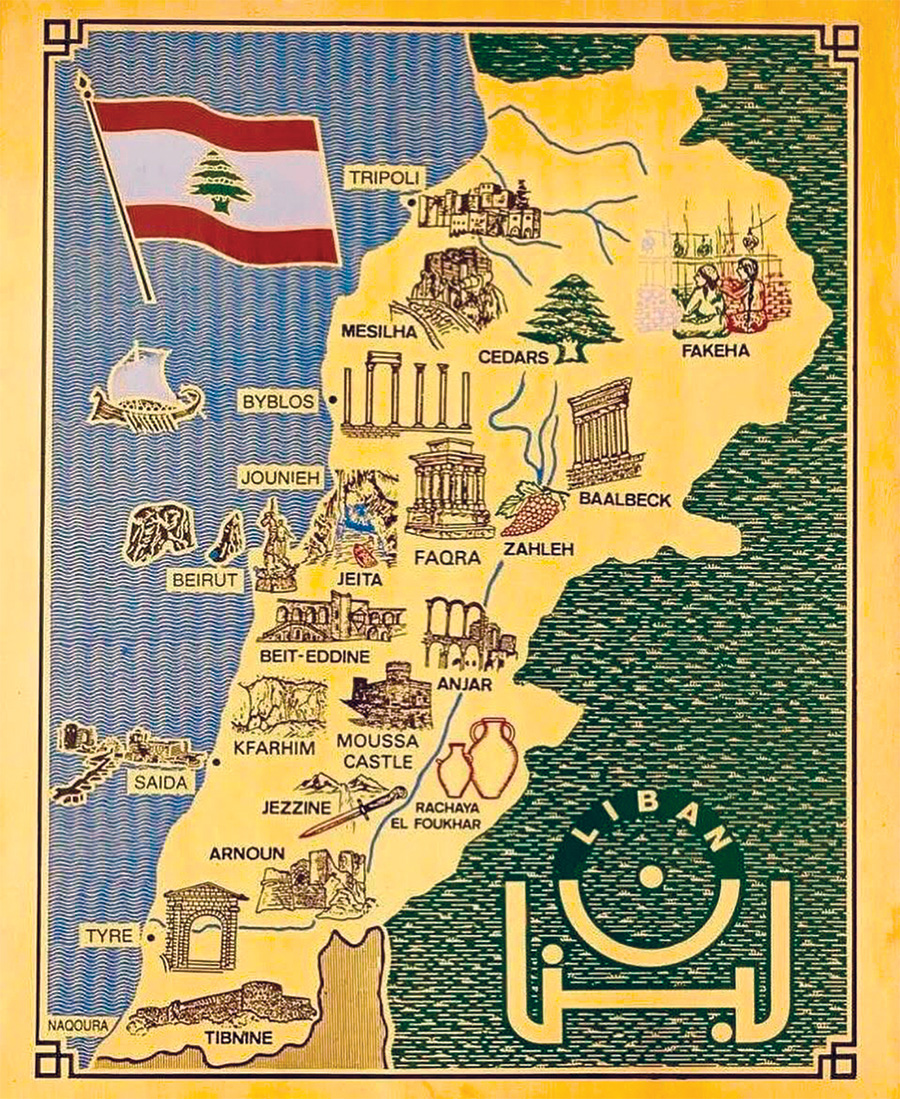
Lebanon’s reconstruction trajectory reflects both exposure to risk and the presence of adaptive capacity. Periodic rebounds in hospitality, cultural activity, and travel demand illustrate that economic actors retain the ability to respond when opportunities emerge. This adaptability corresponds with resilience perspectives that define recovery not as a return to pre-crisis conditions but as the capacity of systems to reorganize and continue functioning under pressure65. For Lebanon, strengthening resilience will require reinforcing financial systems, improving governance quality, diversifying economic activity, and maintaining infrastructure capable of supporting productive sectors.
Ultimately, post-war reconstruction should be understood as a long-term developmental transition rather than a short policy phase. Evidence indicates that countries emerging from conflict often need decades to achieve stable growth paths66. Consistency in policy direction, institutional learning, and sustained reform are therefore essential. Lebanon stands at a decisive moment in which reconstruction can either reproduce past structural weaknesses or support a more diversified and stable economic model.
This article concludes that tourism can contribute meaningfully to post-war recovery by stimulating economic activity, supporting employment, and improving international confidence, while its effectiveness depends on governance capacity, strategic investment, and institutional reform. Lebanon illustrates both the potential and the constraints of tourism-led rebuilding. The country possesses assets capable of supporting renewed growth, yet translating these advantages into durable recovery requires coordinated policy action and credible reform. Tourism alone cannot rebuild a nation. However, when integrated into a comprehensive reconstruction strategy, it can accelerate economic normalization, reinforce resilience, and support the transition from immediate recovery toward long-term development.
1. Reddy, M. V., Boyd, S. W., & Nica, M. (2020). Towards a post-conflict tourism recovery framework. Annals of Tourism Research, 84, 102940. https://doi.org/10.1016/j.annals.2020.102940
2.Hamre, J. J., & Sullivan, G. R. (2002). Toward postconflict reconstruction. The Washington Quarterly, 25(4), 85–96.
3. World Bank. (2025). Lebanon: Recovery and reconstruction needs following the conflict—Rapid Damage and Needs Assessment (press release/report). World Bank.
4. Addison, T., & Murshed, S. M. (2001). From conflict to reconstruction: Reviving the social contract (UNU-WIDER Discussion Paper No. 2001/48). United Nations University—World Institute for Development Economics Research.
5. McClearn, M., Jensen, C. B., & Talhouk, J. (2023). [Article on “multiple simultaneously failing infrastructures” and “security patchworking” in Lebanon].
6. Abdallah, C. (2022). [Study on heritage restoration challenges in Lebanon]
7. Boudreaux, C. J., Jha, P., & Escaleras, M. (2021). Natural disasters, foreign aid, and entrepreneurship. Journal of Developmental Entrepreneurship, 26(1).
8. Hall, C. M. (2010). Crisis events in tourism: Subjects of crisis in tourism. Current Issues in Tourism, 13(5), 401–417.
9. World Travel & Tourism Council. (2020). Travel & tourism economic impact (2020). WTTC.
10. Tang, C. F., & Abosedra, S. (2014). Small sample evidence on the tourism-led growth hypothesis in Lebanon. Current Issues in Tourism, 17(3), 234–246
11. Brida, J. G., Cortes-Jimenez, I., & Pulina, M. (2016). Has the tourism-led growth hypothesis been validated? A literature review. Current Issues in Tourism, 19(5), 394–430.
12. Causevic, S., & Lynch, P. (2011). Political (in)stability and its influence on tourism development. Tourism Management, 32(2), 343–352.
13. World Bank. (2020). Beirut Rapid Damage and Needs Assessment (RDNA): August 2020 Port of Beirut explosion. World Bank.
14. Saha, S., & Yap, G. (2014). The moderation effects of political instability and terrorism on tourism development. Journal of Travel Research, 53(4), 509–521.
15. Sharpley, R. (2008). Tourism, tourists and society. E-Journal of Tourism Research, 6(1), 1–14.
16. Hall, C. M. (2010). Crisis events in tourism: Subjects of crisis in tourism. Current Issues in Tourism, 13(5), 401–417.
17. UNWTO. (2017). Tourism and the Sustainable Development Goals – Journey to 2030. World Tourism Organization.
18. Novelli, M., Morgan, N., & Nibigira, C. (2012). Tourism in a post-conflict situation of fragility. Annals of Tourism Research, 39(3), 1446–1469.
19. Timothy, D. J., & Boyd, S. W. (2003). Heritage tourism. Pearson Education.
20. Causevic, S., & Lynch, P. (2011). Political (in)stability and its influence on tourism development. Tourism Management, 32(2), 343–352
21. Sönmez, S. F. (1998). Tourism, terrorism, and political instability. Annals of Tourism Research, 25(2), 416–456.
22. World Travel & Tourism Council. (2019). Travel & tourism economic impact: Lebanon (2019). WTTC.
23. Ibid
24. UNWTO. (2023). [Middle East tourism recovery / exceeded pre-pandemic levels—statement/report]. World Tourism Organization.
25. Fayissa, B., Nsiah, C., & Tadasse, B. (2008). Impact of tourism on economic growth and development in Africa. Tourism Economics, 14(4), 807–818.
26. Brida, J. G., Cortes-Jimenez, I., & Pulina, M. (2016). Has the tourism-led growth hypothesis been validated? A literature review. Current Issues in Tourism, 19(5), 394–430
27. Makdisi, S. (2004). The lessons of Lebanon: The economics of war and development. I.B. Tauris.
28. Baumann, H. (2016). Citizen Hariri: Lebanon’s neoliberal reconstruction. Oxford University Press.
29. World Travel & Tourism Council. (2019). Travel & tourism economic impact: Lebanon (2019). WTTC.
30. Makdisi, S. (1997). Reconstructing Beirut. Middle East Report, (203), 6–13.
31. International Monetary Fund. (2023). Lebanon: Staff report for the 2023 Article IV consultation—Informational annex (IMF Country Report No. 23/237). IMF.
32. Chaaban, J. (2016). I’ve got the power: Mapping connections between Lebanon’s banking sector and the ruling class (ERF Working Paper No. 1059). Economic Research Forum.
33. Atallah, S., Mahmalat, M., & Zoughaib, S. (2020, September). Hiding behind disaster: How international aid risks helping elites, not citizens (LCPS Policy Brief No. 54). Lebanese Center for Policy Studies.
34. Baumann, H. (2016). Citizen Hariri: Lebanon’s neoliberal reconstruction. Oxford University Press.
35. ESCWA. (2021). [Report on Lebanon’s economic contraction/service disruption and productivity impacts]. United Nations Economic and Social Commission for Western Asia
36. International Labour Organization. (2022). [Lebanon labour market deterioration / emigration and wage decline report]. ILO.
37. Atallah, S., Mahmalat, M., & Zoughaib, S. (2020, September). Hiding behind disaster: How international aid risks helping elites, not citizens (LCPS Policy Brief No. 54). Lebanese Center for Policy Studies.
38. Makdisi, S. (2004). The lessons of Lebanon: The economics of war and development. I.B. Tauris.
39. International Monetary Fund. (2023). Lebanon: Staff report for the 2023 Article IV consultation—Informational annex (IMF Country Report No. 23/237). IMF.
40. Baumann, H. (2016). Citizen Hariri: Lebanon’s neoliberal reconstruction. Oxford University Press.
41. Chaaban, J. (2016). I’ve got the power: Mapping connections between Lebanon’s banking sector and the ruling class (ERF Working Paper No. 1059). Economic Research Forum.
42. Ibid
43. Atallah, S., Mahmalat, M., & Zoughaib, S. (2020, September). Hiding behind disaster: How international aid risks helping elites, not citizens (LCPS Policy Brief No. 54). Lebanese Center for Policy Studies.
44. World Bank. (2020). Beirut Rapid Damage and Needs Assessment (RDNA): August 2020 Port of Beirut explosion. World Bank.
45. ESCWA. (2021). [Report on Lebanon’s economic contraction/service disruption and productivity impacts]. United Nations Economic and Social Commission for Western Asia.
46. Makdisi, S. (2004). The lessons of Lebanon: The economics of war and development. I.B. Tauris.
47. International Labour Organization. (2022). [Lebanon labour market deterioration / emigration and wage decline report]. ILO.
48. Baumann, H. (2016). Citizen Hariri: Lebanon’s neoliberal reconstruction. Oxford University Press
49. Makdisi, S. (2004). The lessons of Lebanon: The economics of war and development. I.B. Tauris.
50. ESCWA. (2021). [Report on Lebanon’s economic contraction/service disruption and productivity impacts]. United Nations Economic and Social Commission for Western Asia.
51. World Bank. (2023). Lebanon Economic Monitor (relevant issue). World Bank.
52. International Monetary Fund. (2023). Lebanon: Staff report for the 2023 Article IV consultation—Informational annex (IMF Country Report No. 23/237). IMF.
53. International Monetary Fund. (2023). Lebanon: Staff report for the 2023 Article IV consultation—Informational annex (IMF Country Report No. 23/237). IMF.
54. Chaaban, J. (2016). I’ve got the power: Mapping connections between Lebanon’s banking sector and the ruling class (ERF Working Paper No. 1059). Economic Research Forum.
55. World Bank. (2020). Beirut Rapid Damage and Needs Assessment (RDNA): August 2020 Port of Beirut explosion. World Bank.
56. International Labour Organization. (2022). [Lebanon labour market deterioration / emigration and wage decline report]. ILO.
57. Baumann, H. (2016). Citizen Hariri: Lebanon’s neoliberal reconstruction. Oxford University Press
58. World Bank. (2023). Lebanon Economic Monitor (relevant issue). World Bank.
59. World Bank. (2025). Lebanon: Recovery and reconstruction needs following the conflict—Rapid Damage and Needs Assessment (press release/report). World Bank.
60. Hamre, J. J., & Sullivan, G. R. (2002). Toward postconflict reconstruction. The Washington Quarterly, 25(4), 85–96.
61. Collier, P., Elliott, V. L., Hegre, H., Hoeffler, A., Reynal-Querol, M., & Sambanis, N. (2003). Breaking the conflict trap: Civil war and development policy. World Bank & Oxford University Press.
62. Sharpley, R. (2008). Tourism, tourists and society. E-Journal of Tourism Research, 6(1), 1–14.
63. Novelli, M., Morgan, N., & Nibigira, C. (2012). Tourism in a post-conflict situation of fragility. Annals of Tourism Research, 39(3), 1446–1469.
64. Sönmez, S. F. (1998). Tourism, terrorism, and political instability. Annals of Tourism Research, 25(2), 416–456.
65. Biggs, D., Hall, C. M., & Stoeckl, N. (2012). The resilience of formal and informal tourism enterprises to disasters: Reef tourism in Phuket, Thailand. Journal of Sustainable Tourism, 20(5), 645–665. https://doi.org/10.1080/09669582.2011.630080
66. Collier, P., Elliott, V. L., Hegre, H., Hoeffler, A., Reynal-Querol, M., & Sambanis, N. (2003). Breaking the conflict trap: Civil war and development policy. World Bank & Oxford University Press.
References
A- Books
1- Baumann, H. (2016). Citizen Hariri: Lebanon’s neoliberal reconstruction. Oxford University Press.
2- Makdisi, S. (2004). The lessons of Lebanon: The economics of war and development. I.B. Tauris.
3- Sharpley, R. (2008). Tourism, tourists and society. E-Journal of Tourism Research, 6(1), 1–14.
B- Peer-Reviewed Journal Articles
1- Biggs, D., Hall, C. M., & Stoeckl, N. (2012). The resilience of formal and informal tourism enterprises to disasters: Reef tourism in Phuket, Thailand. Journal of Sustainable Tourism, 20(5), 645–665. https://doi.org/10.1080/09669582.2011.630080
2- Boudreaux, C. J., Jha, P., & Escaleras, M. (2021). Natural disasters, foreign aid, and entrepreneurship. Journal of Developmental Entrepreneurship, 26(1).
3- Causevic, S., & Lynch, P. (2011). Political (in)stability and its influence on tourism development. Tourism Management, 32(2), 343–352.
4- Hall, C. M. (2010). Crisis events in tourism: Subjects of crisis in tourism. Current Issues in Tourism, 13(5), 401–417.
5- Makdisi, S. (1997). Reconstructing Beirut. Middle East Report, (203), 6–13.
6- Novelli, M., Morgan, N., & Nibigira, C. (2012). Tourism in a post-conflict situation of fragility. Annals of Tourism Research, 39(3), 1446–1469.
7- Reddy, M. V., Boyd, S. W., & Nica, M. (2020). Towards a post-conflict tourism recovery framework. Annals of Tourism Research, 84, 102940. https://doi.org/10.1016/j.annals.2020.102940
8- Saha, S., & Yap, G. (2014). The moderation effects of political instability and terrorism on tourism development. Journal of Travel Research, 53(4), 509–521.
9- Sönmez, S. F. (1998). Tourism, terrorism, and political instability. Annals of Tourism Research, 25(2), 416–456.
10- Tang, C. F., & Abosedra, S. (2014). Small sample evidence on the tourism-led growth hypothesis in Lebanon. Current Issues in Tourism, 17(3), 234–246.
C- Working Papers
1- Addison, T., & Murshed, S. M. (2001). From conflict to reconstruction: Reviving the social contract (UNU-WIDER Discussion Paper No. 2001/48). United Nations University—World Institute for Development Economics Research.
2- Atallah, S., Mahmalat, M., & Zoughaib, S. (2020, September). Hiding behind disaster: How international aid risks helping elites, not citizens (LCPS Policy Brief No. 54). Lebanese Center for Policy Studies.
3- Chaaban, J. (2016). I’ve got the power: Mapping connections between Lebanon’s banking sector and the ruling class (ERF Working Paper No. 1059). Economic Research Forum.
4- Fischer, M. (2004). Recovering from violent conflict: Regeneration and (re-)integration as elements of peacebuilding. Berghof Research Center for Constructive Conflict Management.
5- Schwartz, G., Hahn, S., & Bannon, I. (2004). The private sector’s role in the provision of infrastructure in post-conflict countries: Patterns and policy options (Social Development Papers: Conflict Prevention & Reconstruction). World Bank.
D- International Reports
1- ESCWA. (2021). [Report on Lebanon’s economic contraction/service disruption and productivity impacts]. United Nations Economic and Social Commission for Western Asia.
2- International Labour Organization. (2022). [Lebanon labour market deterioration / emigration and wage decline report]. ILO.
3- International Monetary Fund. (2023). Lebanon: Staff report for the 2023 Article IV consultation—Informational annex (IMF Country Report No. 23/237). IMF.
4- UNWTO. (2017). Tourism and the Sustainable Development Goals – Journey to 2030. World Tourism Organization.
5- UNWTO. (2023). [Middle East tourism recovery / exceeded pre-pandemic levels—statement/report]. World Tourism Organization.
6- World Bank. (2020). Beirut Rapid Damage and Needs Assessment (RDNA): August 2020 Port of Beirut explosion. World Bank.
7- World Bank. (2021). Lebanon sinking into one of the most severe global crises episodes (Lebanon Economic Monitor / press release). World Bank.
8- World Bank. (2023). Lebanon Economic Monitor (relevant issue). World Bank.
9- World Bank. (2025). Lebanon: Recovery and reconstruction needs following the conflict—Rapid Damage and Needs Assessment (press release/report). World Bank.
10- World Travel & Tourism Council. (2019). Travel & tourism economic impact: Lebanon (2019). WTTC.
11- World Travel & Tourism Council. (2020). Travel & tourism economic impact (2020). WTTC.
12- Abdallah, C. (2022). [Study on heritage restoration challenges in Lebanon].
13- McClearn, M., Jensen, C. B., & Talhouk, J. (2023). [Article on “multiple simultaneously failing infrastructures” and “security patchworking” in Lebanon].
السياحة كمحرّك للتعافي بعد الحرب: تقييم إعادة البناء الاجتماعي والاقتصادي في لبنان
د. محمد كيال
تناقش هذه الدراسة دور السياحة كأداة استراتيجية لدعم التعافي وإعادة الإعمار في لبنان بعد الحروب، من خلال تحليل مساهمتها في إعادة تنشيط الاقتصاد، وتعزيز الاستقرار الاجتماعي، واستعادة ثقة المستثمرين والمجتمع الدولي. وتنطلق الدراسة من فكرة أنّ إعادة الإعمار لا تقتصر على إصلاح البنية التحتية، بل تشمل أيضًا إعادة بناء الاقتصاد وخلق فرص عمل، وتعزيز المؤسسات، واستعادة صورة الدولة على المستوى الدولي.
تُظهر هذه المقالة أن لبنان يمتلك مقومات سياحية استثنائية، تتمثل في الإرث الثقافي والتاريخي، والتنوع الجغرافي، والعلاقات القوية مع الجاليات اللبنانية في الخارج، وهي عوامل ساعدت القطاع السياحي على إظهار قدرة ملحوظة على التعافي بعد الأزمات. إلا أن هذا التعافي ظل هشًا بسبب استمرار الأزمات السياسية والاقتصادية والمالية، إضافة إلى ضعف البنية التحتية والمؤسسات. وتوضح أن لبنان يواجه تحديات كبيرة في مرحلة ما بعد الحرب، حيث تُقدّر احتياجات إعادة الإعمار بنحو 11 مليار دولار، بينما بلغت الخسائر الاقتصادية حوالى 14 مليار دولار، مع انكماش الناتج المحلي الإجمالي وتراجع الاستثمارات وارتفاع معدلات البطالة والفقر. كما أدت الأزمات المتتالية إلى تدهور الخدمات العامة، وضعف النظام المصرفي، وهجرة الكفاءات، مما جعل عملية التعافي أكثر تعقيدًا.
ورغم هذه التحديات، تؤكد الدراسة أن السياحة يمكن أن تكون محركًا مهمًا للنمو الاقتصادي، نظرًا لقدرتها على توفير العملات الأجنبية، وخلق فرص عمل، وتنشيط القطاعات المرتبطة بها (مثل الفنادق، والمطاعم، والنقل، والتجارة، والصناعات الثقافية). كما تساهم السياحة في تحسين صورة الدولة خارجيًا، وتشجيع المستثمرين والزوار على العودة، وهو ما ينعكس إيجابًا على الاقتصاد الوطني. وتشير المعطيات التي استندت إليها الدراسة إلى وجود علاقة إيجابية بين نمو السياحة والنمو الاقتصادي والتوظيف في العديد من الدول، بما فيها لبنان.
وتبرز الدراسة أيضًا عددًا من التحديات التي تحدّ من مساهمة السياحة في إعادة الإعمار، أبرزها عدم الاستقرار السياسي، والأزمة المالية، وضعف الحوكمة، وتدهور البنية التحتية، وارتفاع المخاطر الاستثمارية، إضافةً إلى اعتماد الاقتصاد بشكل مفرط على قطاع الخدمات. لذلك تؤكد أن السياحة وحدها لا تستطيع تحقيق التعافي المستدام، بل يجب أن تكون جزءًا من استراتيجية وطنية شاملة تتضمن إصلاحات اقتصادية ومصرفية، وتحسين الحوكمة، وتعزيز الشفافية، وتطوير البنية التحتية، وتنويع الاقتصاد، ودعم الاستدامة البيئية والاجتماعية.
وتختتم الدراسة بأن السياحة تمثّل أداة فعالة لتسريع التعافي بعد الحروب عندما تتوافر بيئة مستقرة ومؤسسات قوية وسياسات اقتصادية سليمة. ويُعد لبنان مثالًا واضحًا على أن امتلاك المقومات السياحية وحده لا يكفي، بل يجب أن يترافق مع إصلاحات هيكلية تعزز الثقة، وتجذب الاستثمارات، وتحقق تنمية اقتصادية واجتماعية مستدامة. وعليه، فإن السياحة ينبغي أن يُنظر إليها كجزء من مشروع وطني متكامل لتحقيق التعافي، وليس كحل منفرد لجميع التحديات التي تواجه الدولة.
